
Spirits, myths and magic: explore Ireland’s spooky side
Ireland has an ancient history and countless local legends involving mythical beasts and otherworldly spirits.
Discover old magic, tormented ghosts and cursed mansions on your next trip, if you dare…
Where fairytales come true
In the modern world, it’s easy to dismiss magic. But Ireland has a longstanding relationship with magical beings, especially the fairy. Some of Ireland’s most famous people were believers, including Samuel Beckett and WB Yeats.
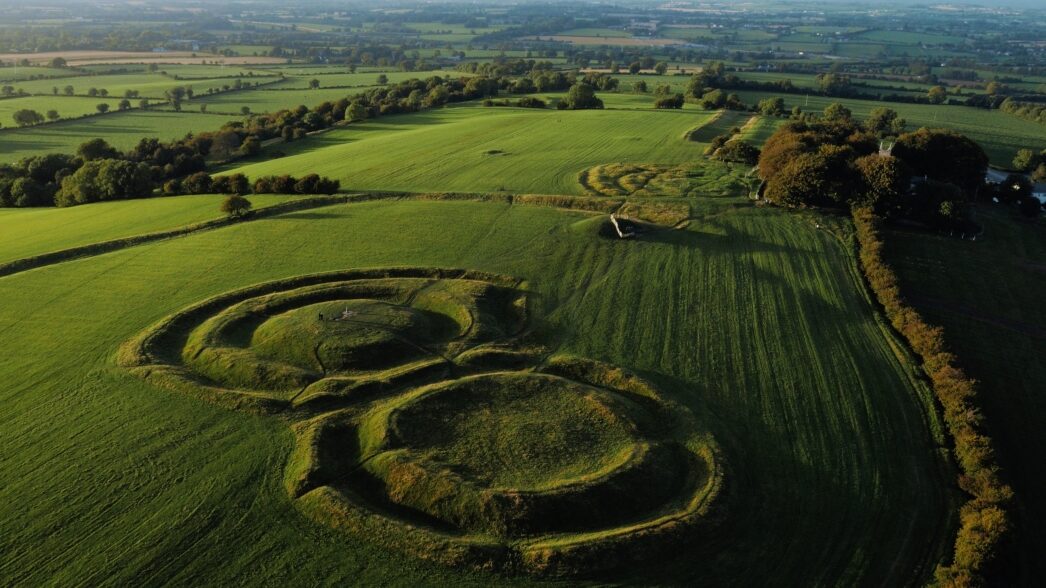
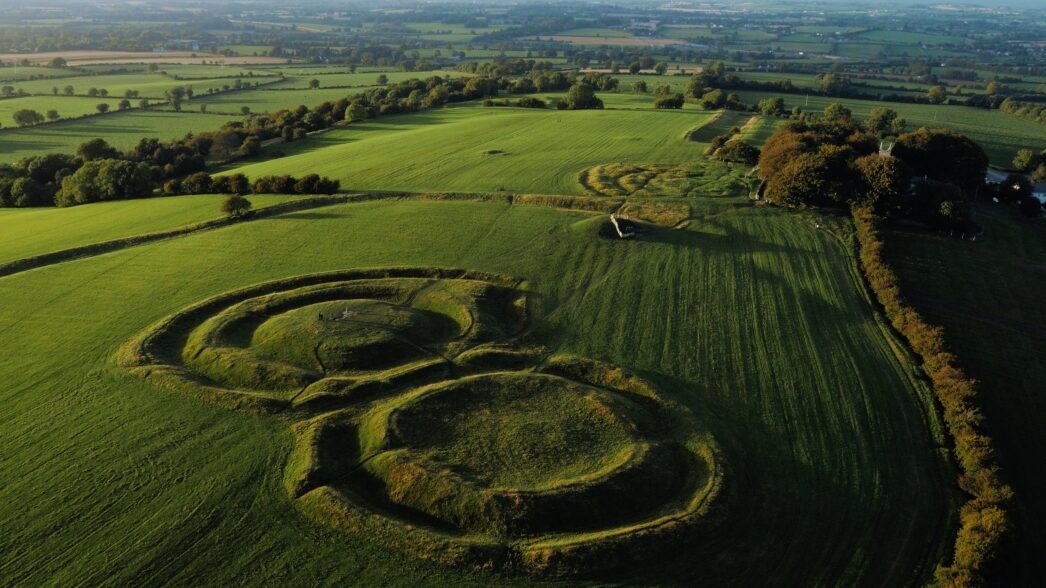
Hill of Tara
The places where these beings are said to dwell are known as fairy forts. There are examples all over the country, including the Hill of Tara in Co Meath and Grianán Ailigh in Co Donegal. And if you disturb them, woe betide you. It’s said that angry fairies are behind a whole string of occurrences from road subsidences to bankruptcy.
Black magic in the mountains
Looking for a place for a hike just outside the city? The Dublin Mountains are perfect for casual or seasoned walkers. During your trek, you might stumble upon an eerie building on Montpelier Hill known as the Hell Fire Club.
View this post on Instagram
Built in the early 18th century on top of an ancient grave, this structure has a history of occult activities and unusual guests. It’s said the devil has even appeared. It was the club house of a particularly wild bunch of upper-class Dubliners who had a reputation for meddling with dark forces.
Cut-throat sibling rivalry
Leap Castle in Co. Offaly has had a turbulent history. Since the early 1500s, there has been disastrous fires, fierce rivalries and cold-blooded murders.
The so-called Bloody Chapel in the Castle is at the heart of the most terrifying tales. Rumour has it that a power struggle in the 1530s lead a man to kill his own brother, who was a priest, while he was saying Mass. Now his ghost can be seen on the Chapel stairways.
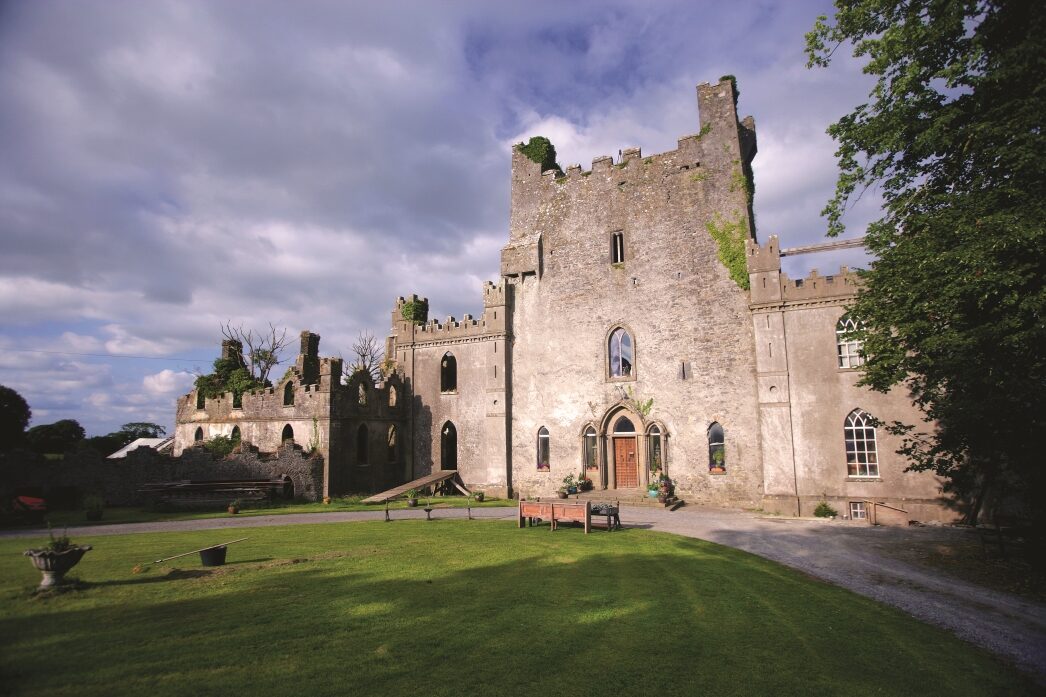
Leap Castle, Co. Offaly
There’s also a small chamber in the Chapel that was used to imprison dead and dying men the ruthless owners had poisoned. There are stories of cartloads of skeletons being hauled from the dungeon, shocking locals to their core.
Egyptian curses on the Wild Atlantic Way
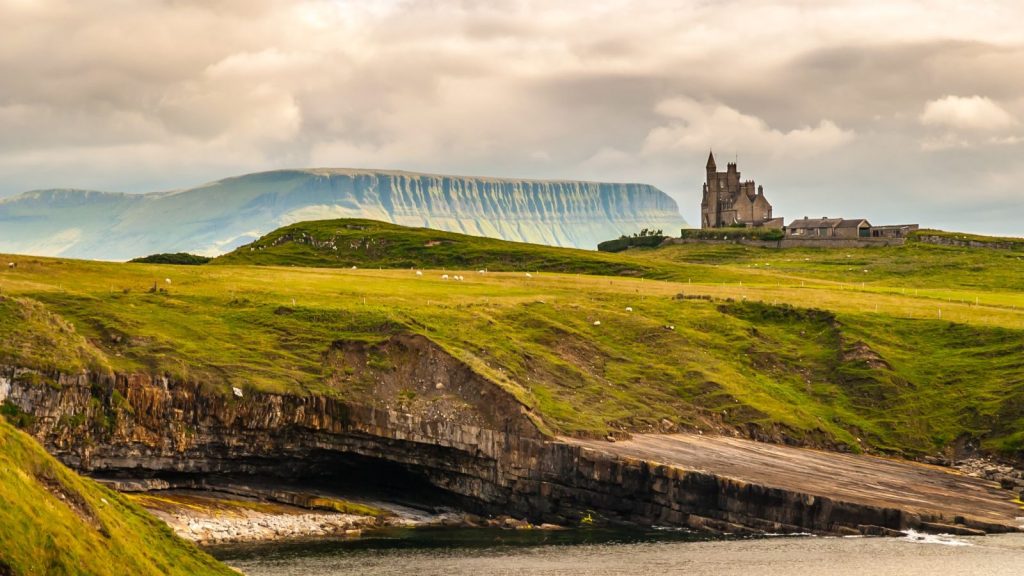
With its stunning Wild Atlantic Way views, Sligo is breathtaking. Head to Ballysadare Bay and see a magnificent 18th-century building that contrasts with the rugged natural landscape.
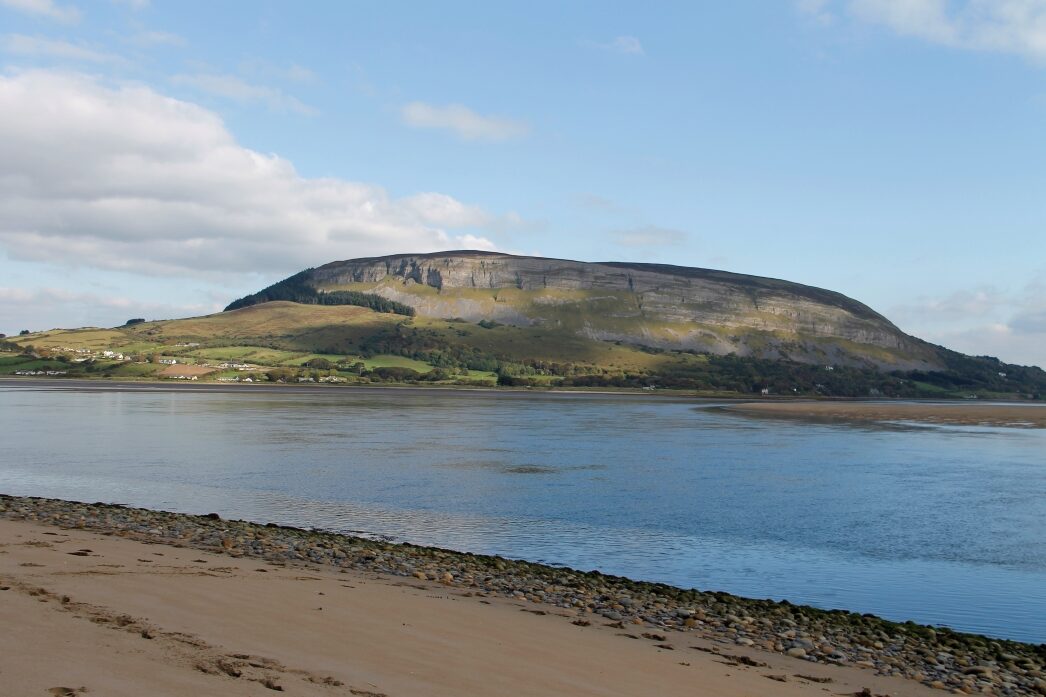
Ballysadare Bay, Co. Slig
But Seafield House is said to be plagued with curses from far away lands. Former owner Owen Phibbs was a 19th-century archaeologist who travelled extensively across the Middle East and Egypt. He proudly displayed relics from ancient ruins in the house when he returned. However, there were soon reports of moving furniture, dark figures lurking and the entire house shaking violently.
The Phibbs family enlisted Jesuit priests to exorcise the building for weeks, but they couldn’t free the building of its dark spirits. It’s now abandoned and in ruins.
Dracula the Dubliner
Did you known Count Dracula is from Dublin? Well, at least Bram Stoker who dreamt up the iconic Gothic character is.
Born in 1847 in Clontarf on Dublin’s northside, Stoker was bedridden for much of his childhood. This encouraged him to develop his impressive imagination.
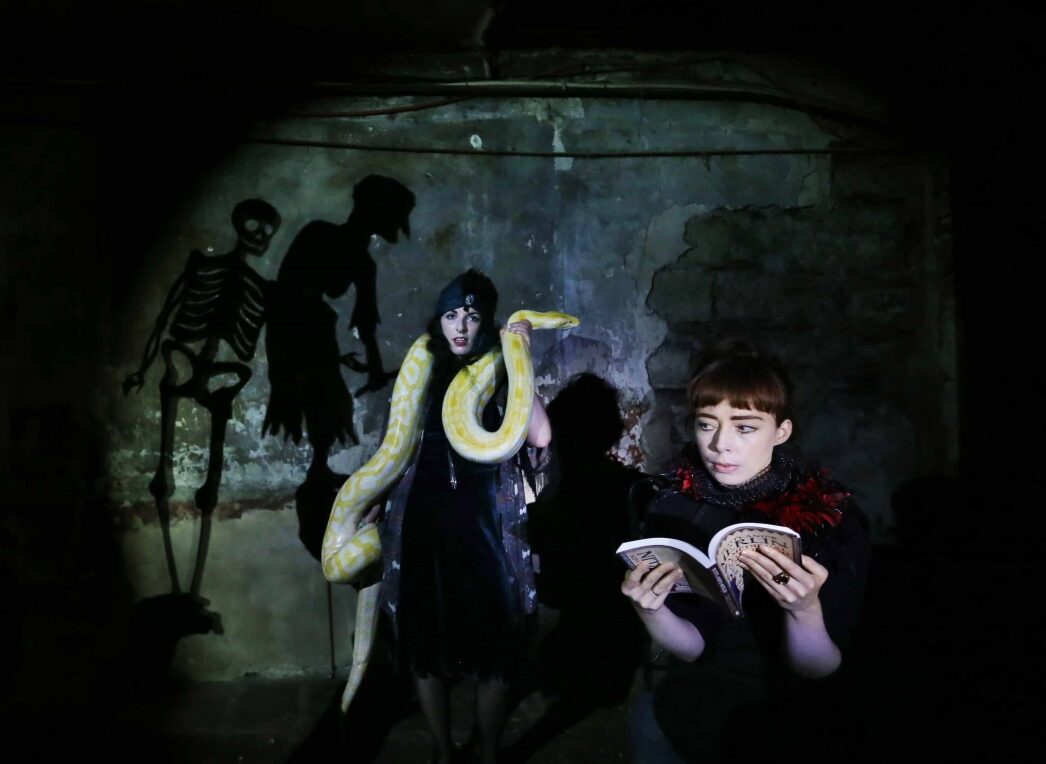
Bram Stoker Festival, Dublin
You can get up close and personal with the story and Bram Stoker’s life when you visit Castle Dracula. Located just a short walk away from where Stoker was born, this is a haunted house experience with a difference. This interactive show lets you meet characters from the famous story and watch a theatre show in a spooky graveyard.